
Rendered illustration: Traditional cast vessel symbolising communal festival hearths
Meet the world at its food festivals
Food celebrations endure because they mark harvest calendars, shared regional survival, and communal pride rather than transient dining trends.
Follow the dish
Every genuine culinary festival clusters around a specific ingredient or preparation method born from geography. In southern France, the coastal town of Menton celebrates winter citrus harvests with elaborate lemon monuments, while the Mid-Autumn gatherings throughout Hong Kong and Guangzhou dedicate weeks to the craftsmanship of alkaline dough pastries stuffed with salted duck egg yolk and lotus seed paste.
Understanding the root of a regional recipe turns an ordinary meal into an encounter with collective memory. Festivals preserve culinary techniques that commercial restaurants often abandon due to lengthy preparation times or seasonal availability.
Explore authentic regional dishes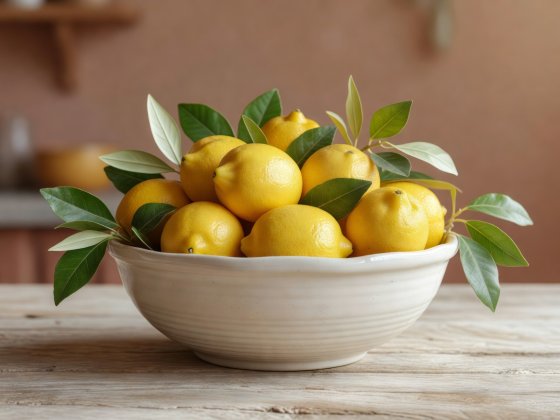
Celebrations with deep roots
The world's most enduring food events survive because whole towns claim stewardship over them. At the Galway International Oyster Arts Festival on the western shore of Ireland, the opening of the native flat oyster season unites maritime families who have harvested Kilcolgan and Clarenbridge beds across generations.
Likewise, Buñol's La Tomatina in Valencia and Munich's long-standing Oktoberfest halls demonstrate how public festivities evolved from spontaneous rural merrymaking and royal wedding celebrations into internationally recognised cultural fixtures.
Read our landmark festival index
Streets made for tasting
Street food gatherings present communal cooking at close quarters. From the smoky charcoal rows of Bangkok's Yaowarat Road during the Vegetarian Festival to the steaming hot iron pans of the National Street Food Festival in New Delhi, the street remains where culinary innovation and working-class heritage converge.
Vendors master single items across decades—such as Taiwanese scallion pancakes, South Indian fermented dosas, or Mexican Oaxacan tlayudas toasted over embers. These gatherings teach visitors the discipline, speed, and subtle heat control required to feed thousands within open alleys.
View famous street food styles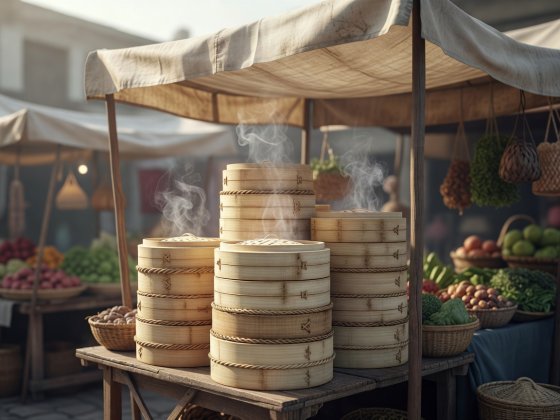
Arrive ready to take part
Attending a community-anchored food festival requires courteous awareness of local customs, ecological strain, and queue etiquette. Rather than rushing blindly between vendor stalls, deliberate observers pace their visits and recognise the physical labor underpinning every portion.
Recognise civic and sacred origins
Many culinary events coincide with religious calendars, agricultural equinoxes, or remembrance cycles. Treat public shrines, procession pathways, and senior town cooks with patience and respect.
Support independent micro-cooks
Seek out stalls run by family collectives or traditional cooperatives rather than mass-catering commercial trailers that mimic local fare using pre-packaged supplies.
Manage festival waste responsibly
Carry your own reusable tasting utensils when permitted, separate organic food waste into marked community bins, and adhere to local municipal cleanup regulations.
Keep the context close
Sagarovercleverp exists to document the lasting cultural significance of gastronomy around the globe. We do not sell tour passes, promote commercial dining franchises, or publish fleeting festival schedules. Our focus remains on the living heritage, regional ingredients, and craft traditions that make each gathering unforgettable.
Are food festivals suitable for visitors with severe dietary restrictions?
Historic food festivals celebrate regional specialities prepared under traditional conditions. Cross-contact with gluten, alliums, seafood, or nuts is frequent in open-air kitchens. Research local ingredients beforehand and consult our visitor recommendations.
Why do traditional festivals enforce strict ingredient regulations?
Organisations such as the Associazione Verace Pizza Napoletana or the Confrérie du Tastevin enforce ingredient protocols to preserve centuries-old genetic strains, artisanal fermentation methods, and local producer livelihoods against industrial dilution.