Eating along the street
Street food gatherings strip away the ceremony of formal dining. They celebrate fast, fiery, and deeply specialised cooking techniques refined over open flames, iron griddles, and portable steamers.
The Spice Masters: National Street Food Festival, Delhi
Organised at Jawaharlal Nehru Stadium by the National Association of Street Vendors of India (NASVI), this annual celebration gathers hundreds of master vendors from Bihar, Rajasthan, Kerala, and Punjab. Street vendors serve delicate spherical pani puris filled with spiced mint water, crisp aloo tikki fried on giant convex iron tawas, and slow-simmered Lucknowi nihari.
The festival serves a dual purpose: it champions street vending rights and municipal food safety while ensuring regional micro-recipes—such as Bihari litti chokha baked over cow-dung embers—gain recognition beyond rural markets.
Compare regional spice profiles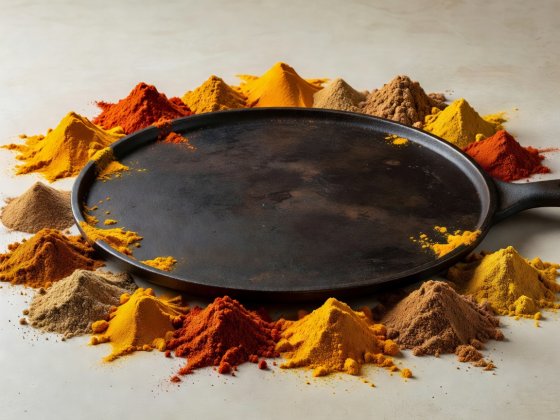
Taiwan Night Markets & Hawker Craft
Taipei's night market culture—epitomised by historic gatherings around Shilin, Raohe, and Ningxia—demonstrates how evening markets evolved from temple courtyards into celebrated urban food festivals. Vendors work in tight stalls, producing stinky tofu fermented in herbal vegetable brine, black pepper beef buns baked against the walls of tandoor-style clay ovens, and oyster omelettes doused in sweet chili glaze.
What distinguishes Taiwanese street gatherings is the dedication to "Q" texture—a prized bouncy chewiness found in handmade tapioca pearls, sweet potato balls, and hand-cut fish cakes. Eating along these neon corridors is an exercise in community synchronicity.
Review market queuing guidelines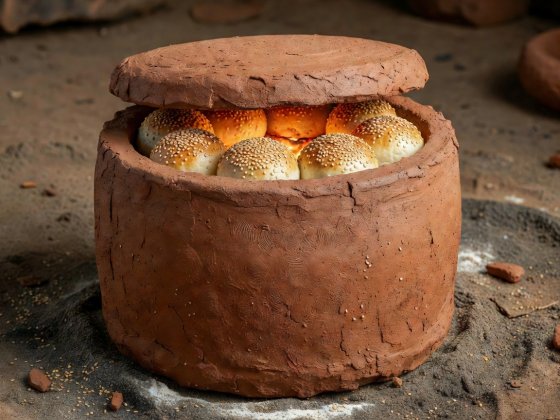
Palermo's Historic Markets: Ballarò & Vucciria
In the heart of Palermo, Sicily, the historic market festivals of Ballarò, Vucciria, and Il Capo showcase an Arab-Norman street food legacy unchanged for over a millennium. Vendors shout rhythmic calls (la vuciate) as they fry chickpea flour panelle and potato cazzilli in massive vats of bubbling lard.
Daring eaters gather for pani ca meusa—soft sesame buns stuffed with boiled and lard-fried veal spleen and lung, served with a squeeze of fresh lemon juice or grated caciocavallo cheese. These open-air fry shops (friggitorie) highlight how resourcefulness and offal cooking define Mediterranean island resilience.
Read our local dish glossary
Street Food Traditions at a Glance
Street cooking varies widely by equipment, base starches, and the cultural context of public eating. Here is how leading street celebrations compare:
| Region / Celebration | Primary Equipment | Signature Offering | Historic Origin |
|---|---|---|---|
| Delhi NASVI Festival (India) | Convex iron tawa & sigri charcoal | Aloo Tikki, Golgappa, Litti Chokha | Mughal royal courts & rural harvest bazaars |
| Taipei Night Markets (Taiwan) | Clay wall ovens & flat griddles | Black pepper buns, Oyster omelette | Qing Dynasty temple gathering grounds |
| Palermo Ballarò (Sicily, Italy) | Deep lard pans & wood braziers | Pani ca meusa, Panelle, Arancine | Arab-Norman trade guilds & Jewish quarters |
| Oaxaca Night Zócalo (Mexico) | Clay comal griddle over oak coals | Tlayudas, Quesillo, Chapulines | Zapotec pre-Columbian corn cookery |