A place on every plate
Authentic regional cooking is tied to soil chemistry, rainfall patterns, and native wood fuels. When communities gather to prepare these dishes in massive quantities, each serving tells a story of survival and geographic heritage.
Paella Valenciana: The Albufera Rice Legacy
In the wetlands surrounding Lake Albufera near Valencia, agricultural labourers created paella in the 18th century as an open-air midday meal. Cooked over orange-tree pruning wood fire in wide, shallow polished steel pans (paelleras), traditional Valencian paella rejects the seafood medleys common in tourist districts.
The authentic recipe relies on local bomba or senia short-grain rice, chicken, rabbit, green flat beans (bajoqueta), broad white lima beans (garrofó), tomato, saffron, and fresh rosemary sprigs. The hallmark of mastery is the socarrat—a caramelised, toasted layer of rice formed on the bottom of the pan that crackles when scraped with a wooden spoon.
See landmark Spanish food events
Gimjang: Korea's Communal Winter Fermentation
Recognised by UNESCO on the Representative List of the Intangible Cultural Heritage of Humanity, Gimjang is the late-autumn communal process of preparing kimchi to sustain households through freezing winter months. Celebrated at grand community festivals such as the Gwangju World Kimchi Festival, neighbours gather in large plazas to salt thousands of heads of baechu (napa cabbage).
The brined cabbage is rubbed with a paste made of gochugaru (coarse sun-dried chili flakes), crushed garlic, minced ginger, fermented salted seafood (jeotgal), and shredded Korean radish. Packed tightly into earthenware jars (onggi) buried underground, the lacto-fermentation process preserves vital vitamins without artificial refrigeration.
Learn about participating in communal food rituals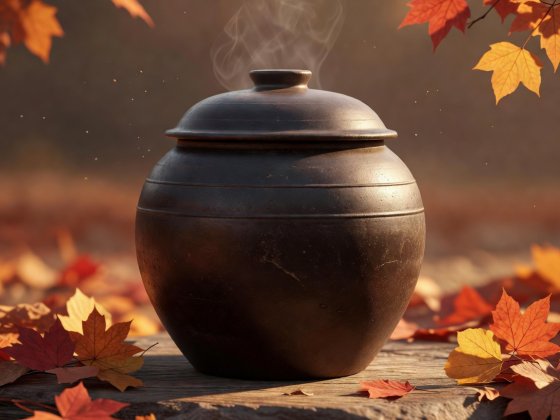
Castelnaudary Cassoulet: The Occitan Slow Bake
In the Aude region of southwest France, the annual Fête du Cassoulet in Castelnaudary celebrates a slow-cooked white bean stew originating during the Hundred Years' War. Legend recounts besieged townspeople pooling their remaining provisions—white haricot lingot beans, cured pork, confit duck legs, and pork rind sausages—to fortify defenders.
Baked in a glazed conical terracotta bowl called a cassole produced in nearby Issel, the dish is slow-cooked in baker's ovens for hours. Traditionalists maintain that the golden breadcrumb-and-gelatin crust forming over the stew must be broken with a spoon seven times before reaching perfection.
Read our editorial commitment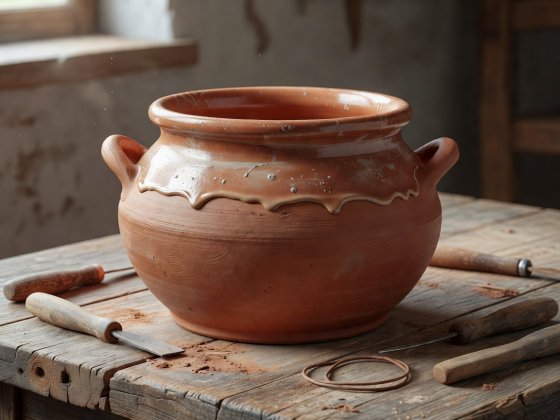
Regional Ingredients Defined by Geography
When regional ingredients are cultivated under precise atmospheric conditions, they develop distinctive flavour nuances that cannot be duplicated in foreign soils.
Bomba Rice • Valencia, Spain
An ancient variety cultivated around the Mediterranean basin. Its low amylose content allows the grain to absorb three times its volume in rich broth without breaking or bursting during high-heat open-pan cooking.
Chiltepín Wild Chili • Sonora, Mexico
Known as the 'mother of all chilies,' this tiny pea-shaped red pod grows wild in dry riparian canyons. Harvested by hand, it delivers a sharp, immediate heat that disappears quickly, making it a festival staple in Sonoran beef stews.
Ostrea Edulis • Galway Bay, Ireland
The native European flat oyster. Unlike Pacific oysters introduced across industrial aquaculture farms, Ostrea edulis thrives exclusively in clean, cold, brackish Atlantic waters, developing a flinty, metallic, algae-tinged finish.